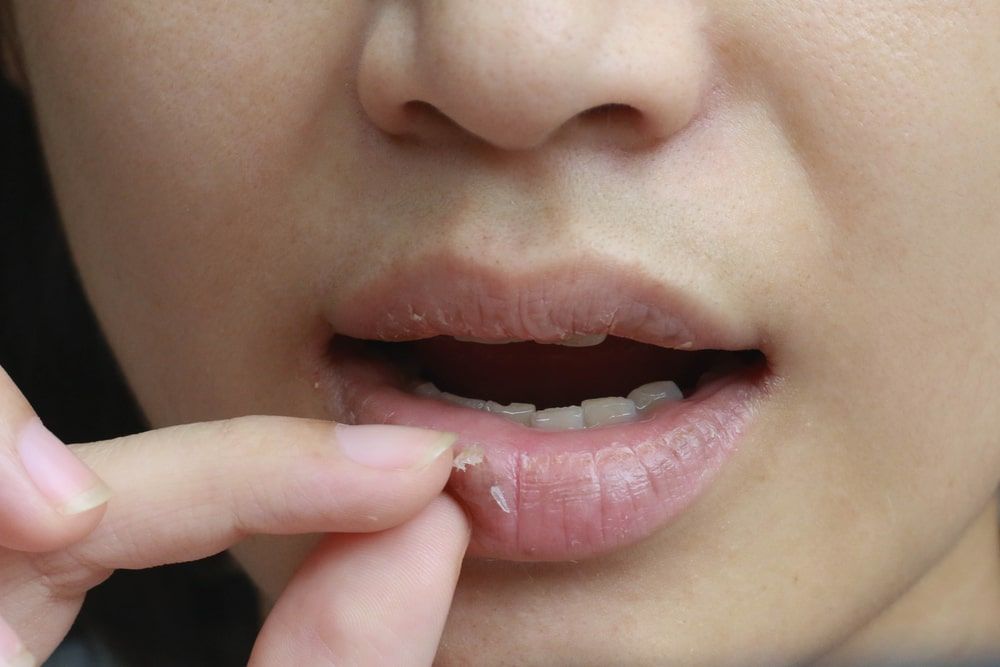
Dry mouth, or xerostomia, occurs when the salivary glands do not produce enough saliva to keep the mouth moist. Saliva might seem like a small detail in oral health, but it plays an essential role in cleaning the mouth, neutralizing acids, and aiding digestion. When saliva production drops, patients can experience discomfort, increased tooth decay, and even difficulties in speaking or swallowing.
At Raleigh Endodontics in Raleigh, NC, Dr. Luke Dalzell emphasizes that recognizing the root causes of dry mouth is the first step toward relief. While occasional dryness can result from stress or dehydration, persistent dryness is often linked to medical conditions, medications, or treatments that affect the salivary glands. Understanding what’s causing this issue helps patients and their dental professionals prevent long-term complications such as enamel erosion or infection.
Common Causes of Dry Mouth
Dry mouth can develop for a variety of reasons, many of which are related to systemic health or lifestyle habits. The most common causes include:
- Medication side effects such as antihistamines, antidepressants, or diuretics.
- Chronic conditions like diabetes, Sjögren’s syndrome, or thyroid disorders.
- Dehydration or excessive caffeine and alcohol intake.
- Smoking or tobacco use, which reduces saliva flow and irritates oral tissues.
- Radiation therapy to the head or neck, which can damage salivary glands.
Because dry mouth can significantly affect oral hygiene, it’s important for individuals to maintain regular dental visits and discuss any unusual symptoms with their care providers. A thorough evaluation, similar to an endodontic first visit, allows dental professionals to assess possible tooth or tissue damage associated with reduced saliva flow.
Remedies and Management Strategies
Managing dry mouth effectively involves addressing its underlying cause and establishing new routines to keep the mouth hydrated. For patients with mild symptoms, increasing water intake, avoiding caffeine and alcohol, and using sugar-free gum or lozenges can stimulate natural saliva production. More severe cases may require moisturizing mouth sprays or specific prescription treatments to enhance moisture retention.
Some patients may experience heightened discomfort during dental procedures if saliva levels are low. In these situations, sedation dentistry can help manage anxiety and promote comfort. Furthermore, if dry mouth leads to tooth sensitivity or infection, prompt endodontic emergency treatment ensures that the underlying problem is addressed quickly and efficiently.
It’s also beneficial to maintain a humid environment at home, particularly at night, to reduce mouth dryness during sleep. Limiting tobacco use and following medication guidance from healthcare professionals can further support long-term relief.
Protecting Oral Health with Preventive Care
Because dry mouth increases the risk of cavities and gum disease, preventive care is essential. Patients should brush with fluoride toothpaste, floss daily, and schedule regular dental assessments to monitor changes in oral health. Using alcohol-free mouthwash and staying consistent with hydration also helps reduce irritation and bacterial growth.
Individuals who notice persistent dry mouth should seek professional evaluation to prevent complications like tooth decay or infection that might eventually require advanced treatments such as root canal therapy. With proactive care and attention to detail, patients can protect their smiles and improve overall comfort. Dr. Luke Dalzell and Raleigh Endodontics in Raleigh, NC, remain dedicated to promoting awareness and helping patients find lasting solutions for dryness and discomfort.
Resources
Guggenheimer, J., & Moore, P. A. (2003). Xerostomia: Etiology, recognition and treatment. Journal of the American Dental Association.
Villa, A., & Abati, S. (2015). Risk factors and symptoms associated with dry mouth in the elderly population. Gerodontology.
Navazesh, M., & Kumar, S. K. S. (2008). Measuring salivary flow: Challenges and opportunities. Journal of the American Dental Association.