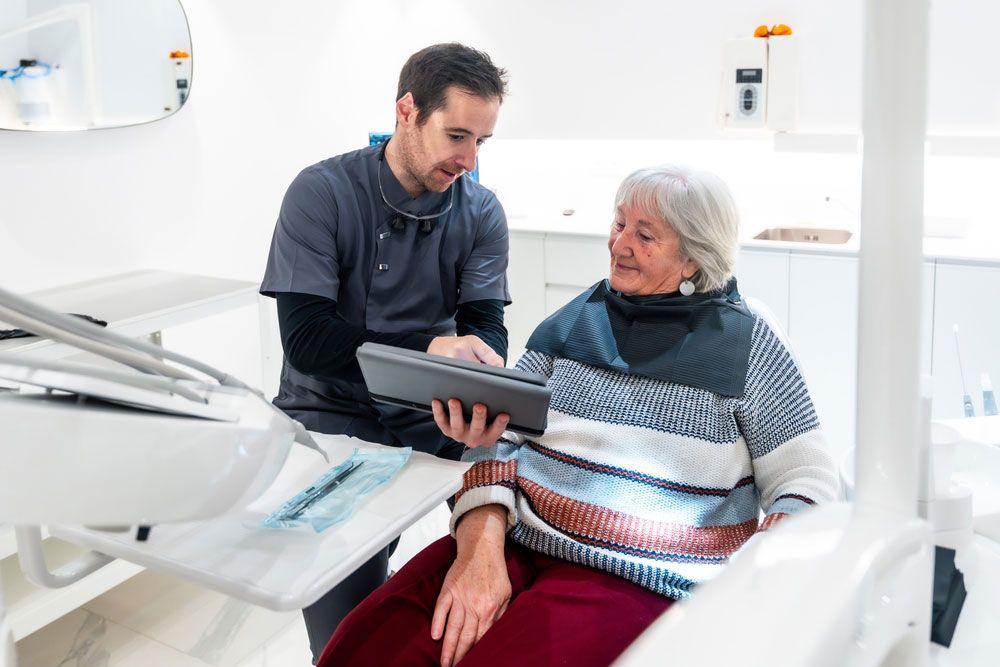
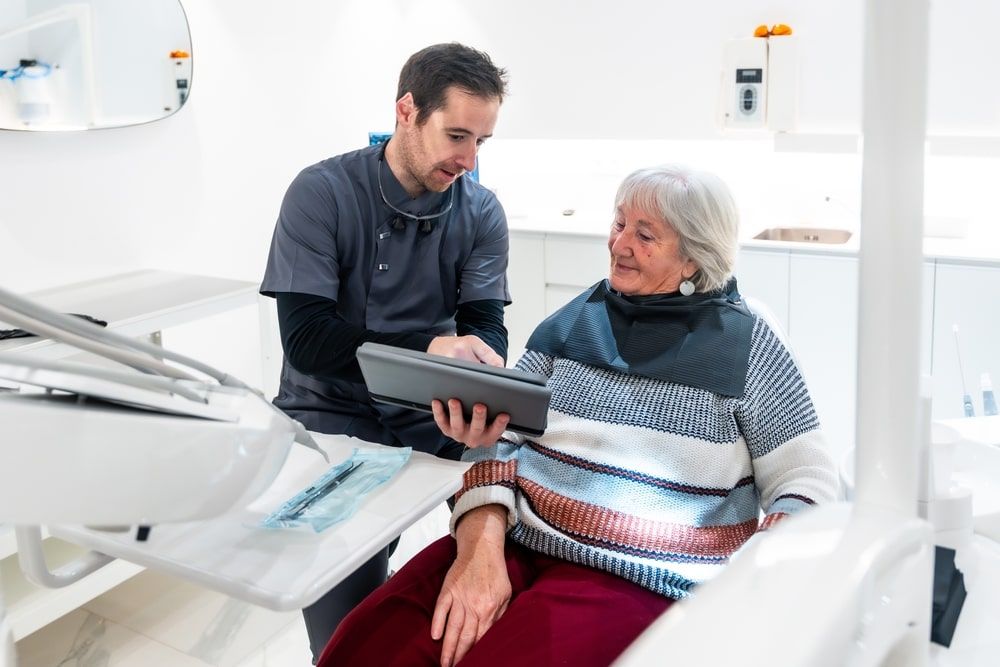
Diabetes affects more than just blood sugar—it influences overall health, including oral and dental wellness. For patients with diabetes, understanding how this condition impacts dental care is critical, especially when considering endodontic treatments like root canal therapy. At Raleigh Endodontics in Raleigh, NC, Dr. Luke Dalzell emphasizes that effective care begins with understanding the unique relationship between diabetes and the body’s ability to heal.
Uncontrolled blood glucose levels can impair circulation and reduce the body’s immune response. This makes individuals with diabetes more susceptible to infections, delayed healing, and gum disease. Because these issues can also involve the tooth’s pulp or supporting structures, endodontic treatment requires thoughtful planning and close monitoring.
How Diabetes Affects Endodontic Treatment
When bacteria enter the pulp of a tooth, root canal therapy is often recommended to remove infection and preserve the natural tooth. However, in diabetic patients, inflammation and infection can behave differently, often progressing faster or being harder to control. Additionally, chronic hyperglycemia may reduce the success rate of endodontic procedures if not properly managed.
Endodontic specialists take several factors into account when treating diabetic patients:
- Blood glucose levels before and after treatment
- Risk of infection and slower healing response
- Medication timing and possible interactions
For those managing diabetes, pre-treatment consultation helps identify steps to minimize complications and promote healing. An endodontic first visit provides an opportunity to review medical history, current medications, and glucose control before scheduling a root canal treatment.
Some patients may return for evaluation if symptoms persist after initial therapy, in which case root canal re-treatment may restore function while controlling bacterial activity within the tooth.
Managing Diabetic Risks During Endodontic Care
The success of endodontic therapy in diabetic patients depends on careful coordination between their dental care provider and physician. Maintaining stable blood sugar before and after the procedure can significantly enhance healing outcomes. In some cases, stress or infection may temporarily elevate glucose levels, underscoring the need for close observation during recovery.
Patients with diabetes are also more prone to dental emergencies stemming from infections that escalate quickly. Timely intervention, such as endodontic emergency treatment or after hours emergency care, can prevent complications that might affect both oral and systemic health.
For individuals with anxiety or difficulty managing stress during treatment, sedation dentistry can provide comfort and promote a smoother experience. Reducing stress helps maintain stable glucose levels, supporting an overall healthier outcome.
Promoting Long-Term Oral Health
For diabetic patients, maintaining good oral hygiene and consistent dental checkups is crucial. Routine monitoring enables early detection of infections or inflammation that could compromise future endodontic procedures. Balanced nutrition, proper glucose control, and daily oral care all contribute to stronger, more resilient teeth.
Understanding how diabetes interacts with dental care allows patients to approach treatment with confidence. With proper planning, communication, and care, diabetic patients can achieve long-lasting results from endodontic therapy. By sharing knowledge and experience, Dr. Luke Dalzell and Raleigh Endodontics in Raleigh, NC, continue to support patient wellbeing through personalized, evidence-based care.
Resources
Segura-Egea, J. J., Martín-González, J., Cabanillas-Balsera, D., Fouad, A. F., & Velasco-Ortega, E. (2019). Diabetes mellitus, periapical inflammation, and endodontic treatment outcome. Medicina Oral, Patología Oral y Cirugía Bucal.
Fouad, A. F. (2014). Diabetes mellitus as a modulating factor of endodontic infections. Journal of Dental Research.
Bender, I. B., & Bender, A. B. (2003). Diabetes mellitus and the dental pulp. Journal of Endodontics.