As people age, maintaining oral health becomes increasingly complex, and the importance of specialized dental care rises. One of the critical aspects of this care involves endodontics, the branch of dentistry concerned with the inner tissues of the tooth, particularly the dental pulp and root canals. At Raleigh Endodontics in Raleigh, NC, understanding the unique needs of elderly patients can help ensure the best possible outcomes when it comes to preserving natural teeth and maintaining comfort, functionality, and quality of life.
Understanding the Aging Tooth
Teeth change with age, just like the rest of the body. Over time, the dental pulp—which contains nerves and blood vessels—shrinks, and the dentin, the layer beneath the enamel, becomes thicker and more brittle. These changes can lead to increased tooth fragility and a higher likelihood of cracks or fractures. Additionally, the narrowing of root canals due to secondary dentin deposition makes root canal treatments more complex in elderly patients.
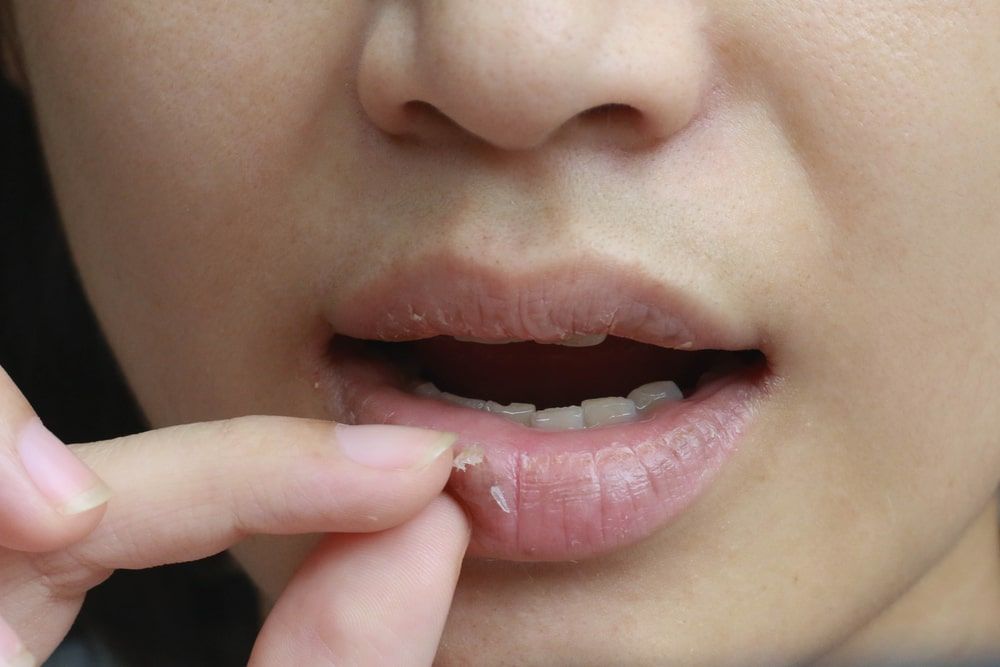
Elderly individuals also face an increased risk of decay around old fillings, root surfaces, and crown margins. Many seniors take medications that cause dry mouth, a condition known as xerostomia, which significantly raises the risk of tooth decay and gum disease. With the combination of these factors, the likelihood of needing endodontic treatment—such as a root canal—rises substantially with age.
Common Endodontic Concerns in Older Adults
Among elderly patients, several endodontic concerns are especially prevalent. One of the most common is pulpal necrosis, where the tooth pulp dies due to deep decay, trauma, or long-term wear. Without treatment, this can lead to abscesses or the need for tooth extraction. Root fractures are also more common among older adults due to the decreased elasticity and increased brittleness of the tooth structure.
Additionally, older patients may have a history of extensive dental work, including crowns, large fillings, and bridges, all of which can put added stress on teeth and potentially lead to pulp inflammation or infection. In some cases, a previously treated tooth may develop new or recurring issues requiring retreatment. Elderly patients are also more likely to have gum recession, which can expose the roots of teeth and make them more susceptible to infection.
Benefits of Endodontic Treatment for Seniors
Despite the complexities of treating older adults, endodontic therapy offers several clear advantages. The primary benefit is the preservation of natural teeth. Maintaining one’s own teeth can greatly enhance the ability to eat, speak, and maintain a natural appearance—all crucial aspects of an older adult’s quality of life. Losing a tooth often creates additional problems, such as shifting teeth, jawbone loss, or the need for prosthetics.
Root canal treatment can also eliminate pain caused by infection or inflammation in the tooth pulp. For elderly patients who may have other health conditions or be on multiple medications, effective pain management through dental treatment can greatly reduce the need for systemic painkillers, which can have side effects or interactions. Furthermore, preserving teeth through endodontics may eliminate the need for surgical extractions or more invasive procedures that carry greater risks for aging patients.
Special Considerations for Elderly Patients
When providing endodontic care for elderly individuals, several considerations must be taken into account. First, overall health and comorbid conditions such as diabetes, heart disease, and osteoporosis can influence both the approach and the outcome of treatment. Medications that thin the blood or affect bone density may require coordination with the patient’s physician prior to any procedure.
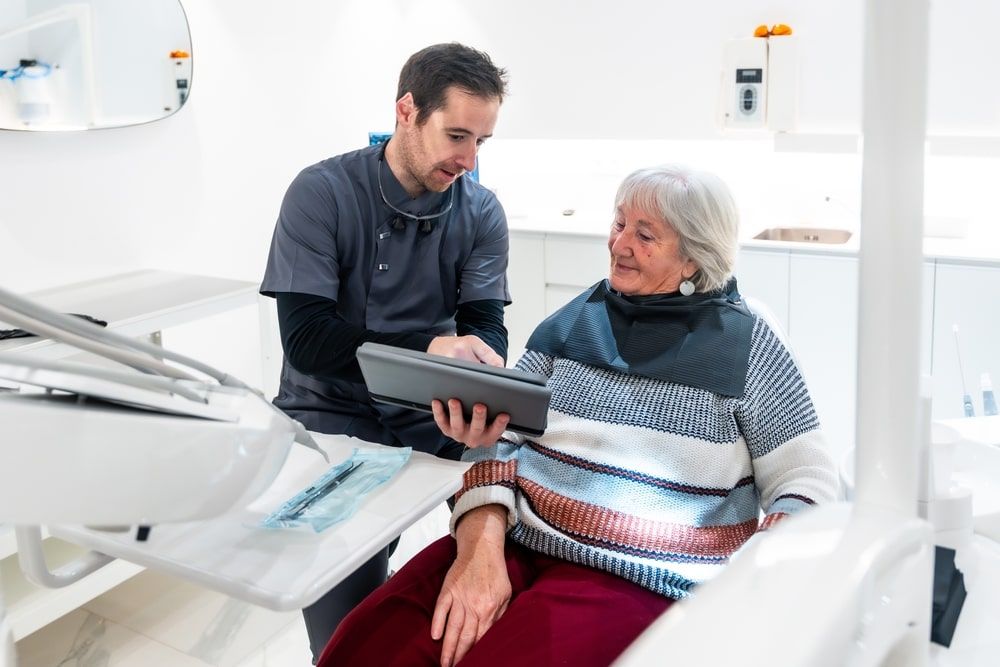
Physical and cognitive limitations must also be considered. Some elderly patients may have difficulty sitting still for long procedures or may suffer from dementia or Alzheimer’s disease, which can complicate communication and treatment planning. Dentists and endodontists must approach care with patience, clear explanations, and a compassionate manner that respects the dignity and needs of each patient.
In some cases, the decision to perform endodontic treatment must be weighed carefully against the patient’s broader health picture. For those with limited life expectancy or severe cognitive impairment, the risks and benefits of treatment must be discussed with caregivers and health providers to ensure that the chosen path aligns with the patient’s overall well-being.
Practical Tips for Caregivers and Patients
Maintaining oral health in older adults often requires collaboration between dental professionals, caregivers, and patients. Proper home care is essential to prevent infections that may lead to the need for endodontic treatment. Seniors should brush twice daily with fluoride toothpaste, floss regularly, and stay hydrated to combat dry mouth.
Here are some helpful tips for elderly oral care:
- Use a soft-bristle toothbrush or electric toothbrush to reduce strain on the hands and wrists
- Consider fluoride rinses or gels to strengthen enamel
- Monitor for signs of decay, pain, or swelling that could indicate the need for treatment
- Ensure regular dental checkups, even if the patient wears dentures or has few remaining teeth
- Work with a dentist or specialist who understands the unique needs of aging patients
Caregivers should be attentive to any signs of dental discomfort, behavioral changes, or altered eating habits, as these may indicate underlying dental issues that require attention. Maintaining open communication with healthcare providers can ensure timely referrals and appropriate treatment.
Endodontic care plays a vital role in supporting the oral health and quality of life of elderly individuals. By staying informed and proactive, patients and caregivers can make confident decisions about preserving natural teeth and preventing avoidable complications. At Raleigh Endodontics in Raleigh, NC, patient education is a key step toward understanding the benefits and considerations of endodontic care in older age.
Resources:
- Siqueira, J. F., & Rôças, I. N. (2008). Clinical Implications and Microbiology of Bacterial Persistence after Treatment Procedures. Journal of Endodontics.
- AAE. (2020). Considerations for Endodontic Treatment in the Elderly. American Association of Endodontists.
- Moynihan, P., & Petersen, P. E. (2004). Diet, Nutrition and the Prevention of Dental Diseases. Public Health Nutrition.